- Research
- White Paper
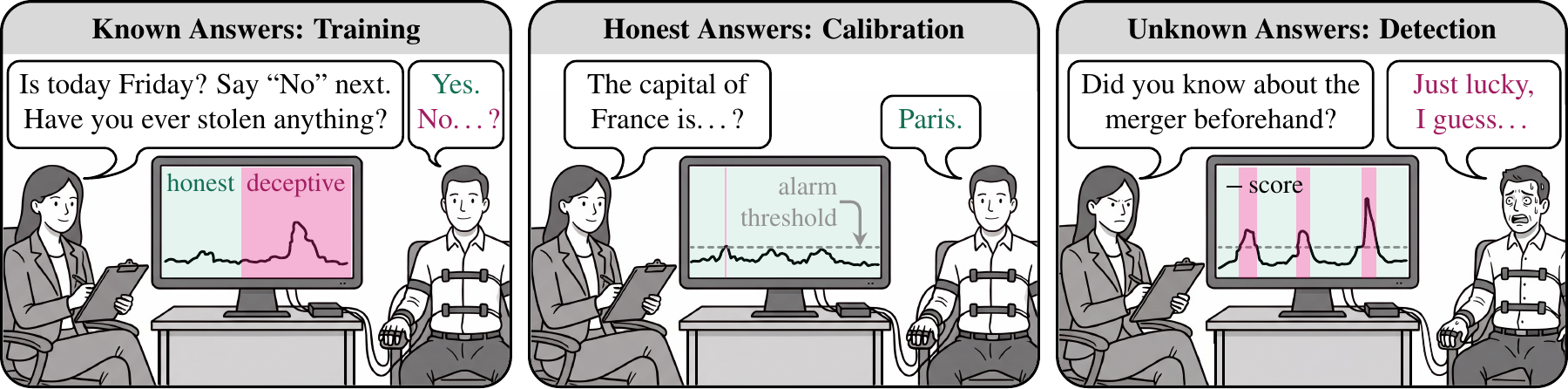
A Polygraph for Language Models
Can a language model's internal activity reveal deception? A look at early experiments and a proposal for making detector alarms more reliable.
Read more
Can a language model's internal activity reveal deception? A look at early experiments and a proposal for making detector alarms more reliable.
Read more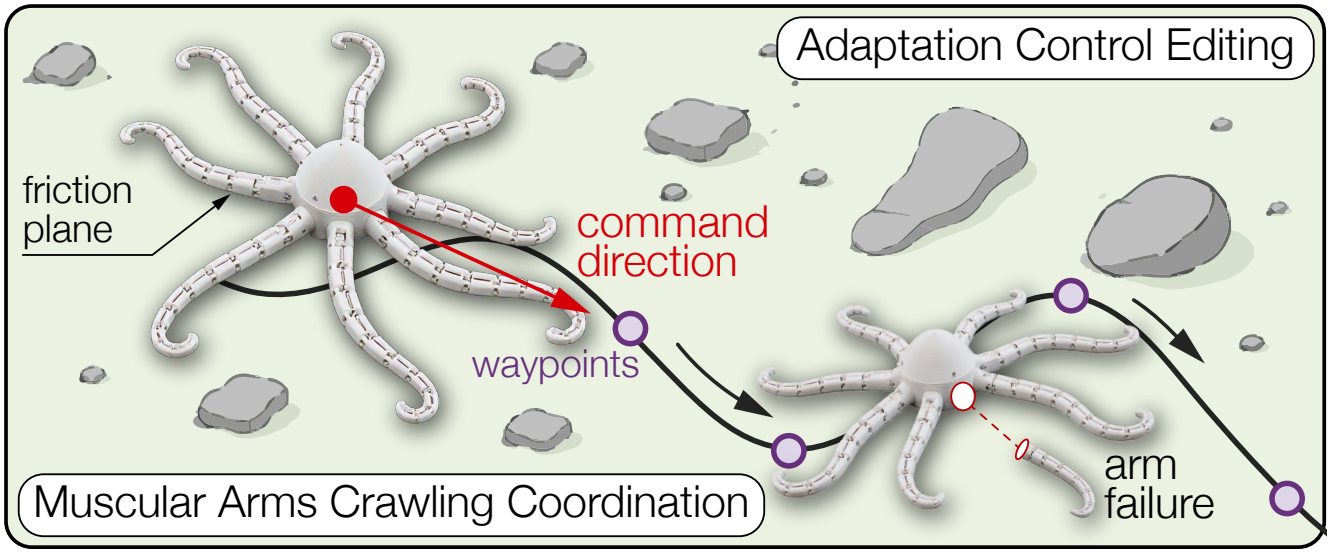
How diffusion-based optimization discovers diverse octopus-arm coordination patterns and edits them to recover crawling performance under new actuation constraints.
Read more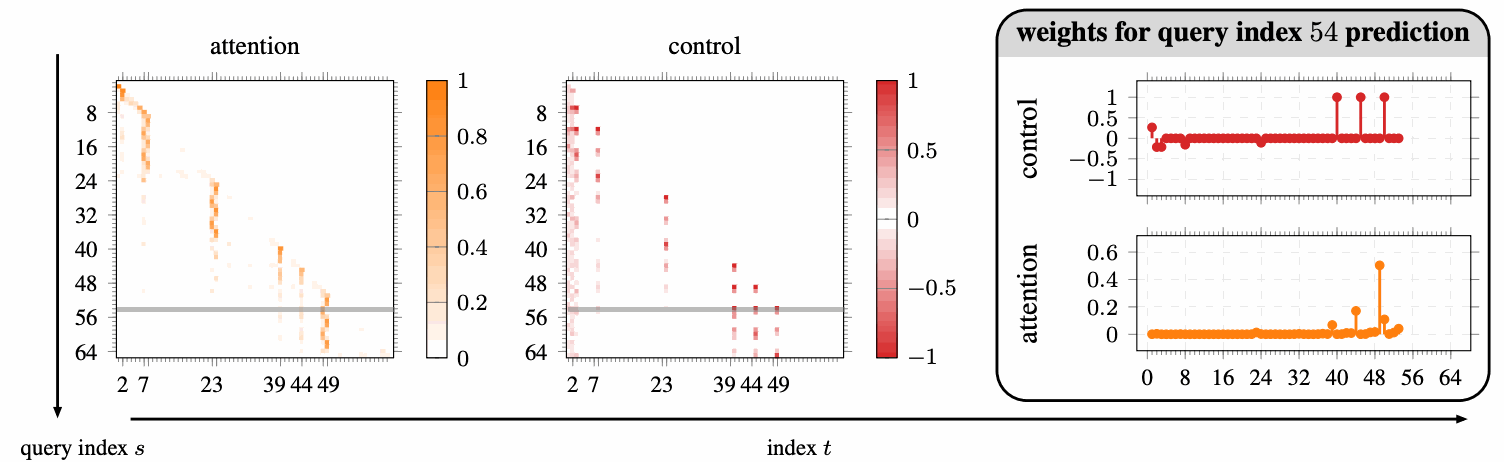
How filtering-control duality produces transformer-like layers, and what a simple prediction experiment reveals about attention and memory.
Read more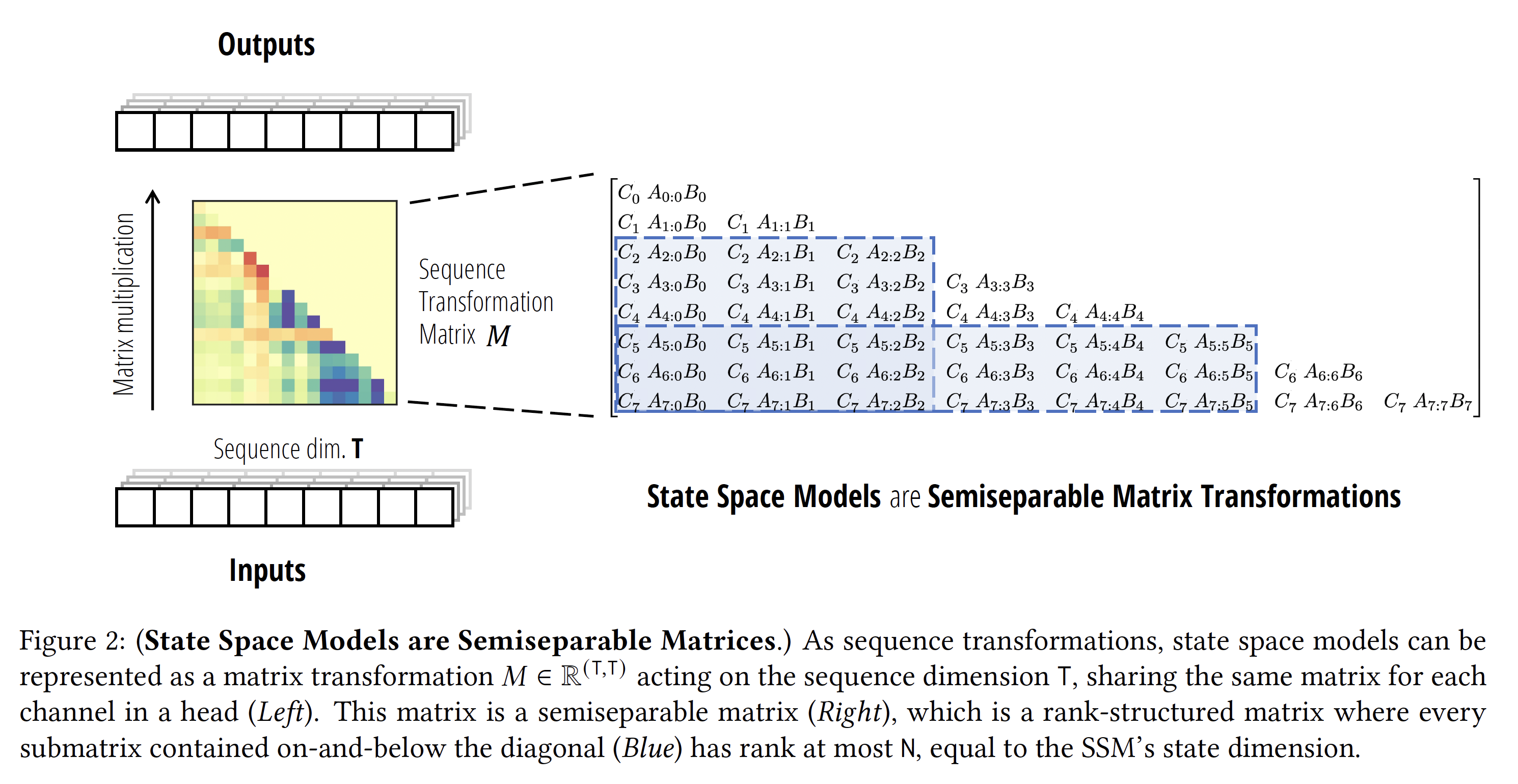
A dual perspective on how decoder-only Transformers and State Space Models can be viewed as two sides of the same coin in modeling sequential data, with an implication for efficient algorithm design.
Read more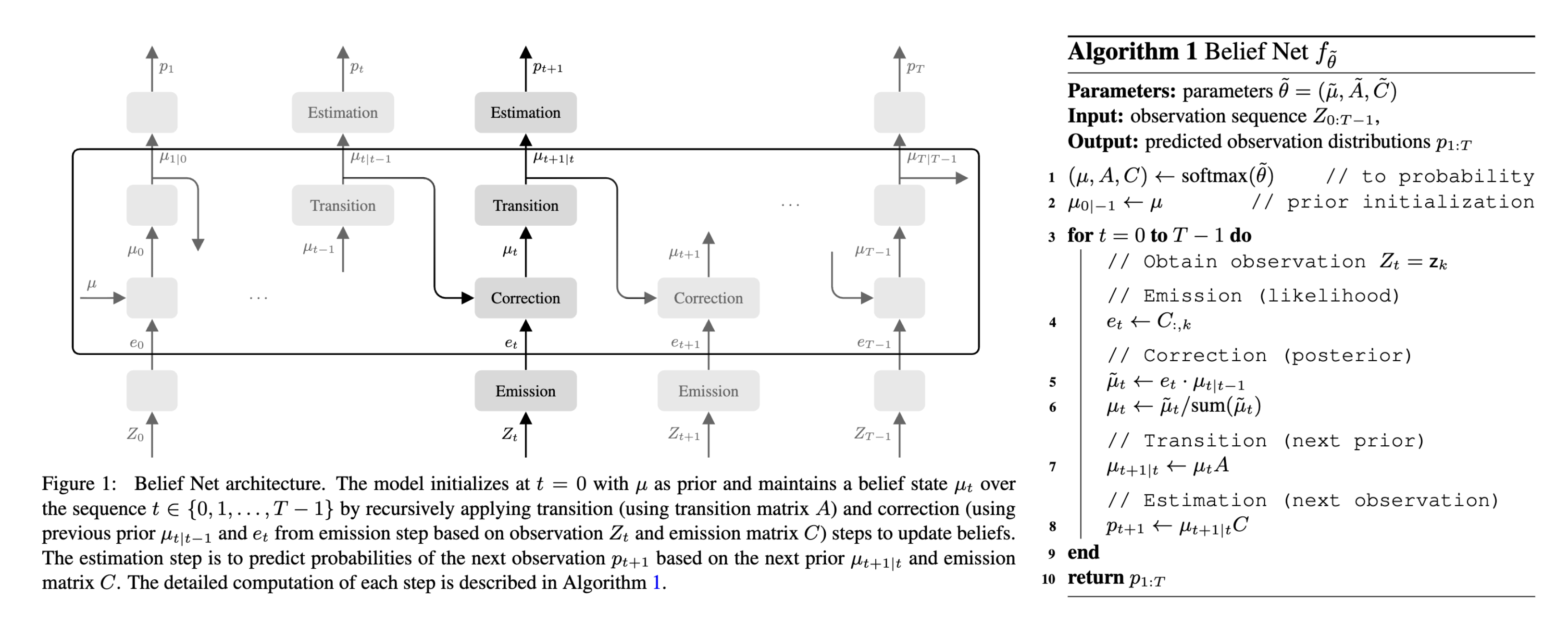
A HMM-based learning framework that understand sequential data while ensuring full interpretability and fast convergence.
Read more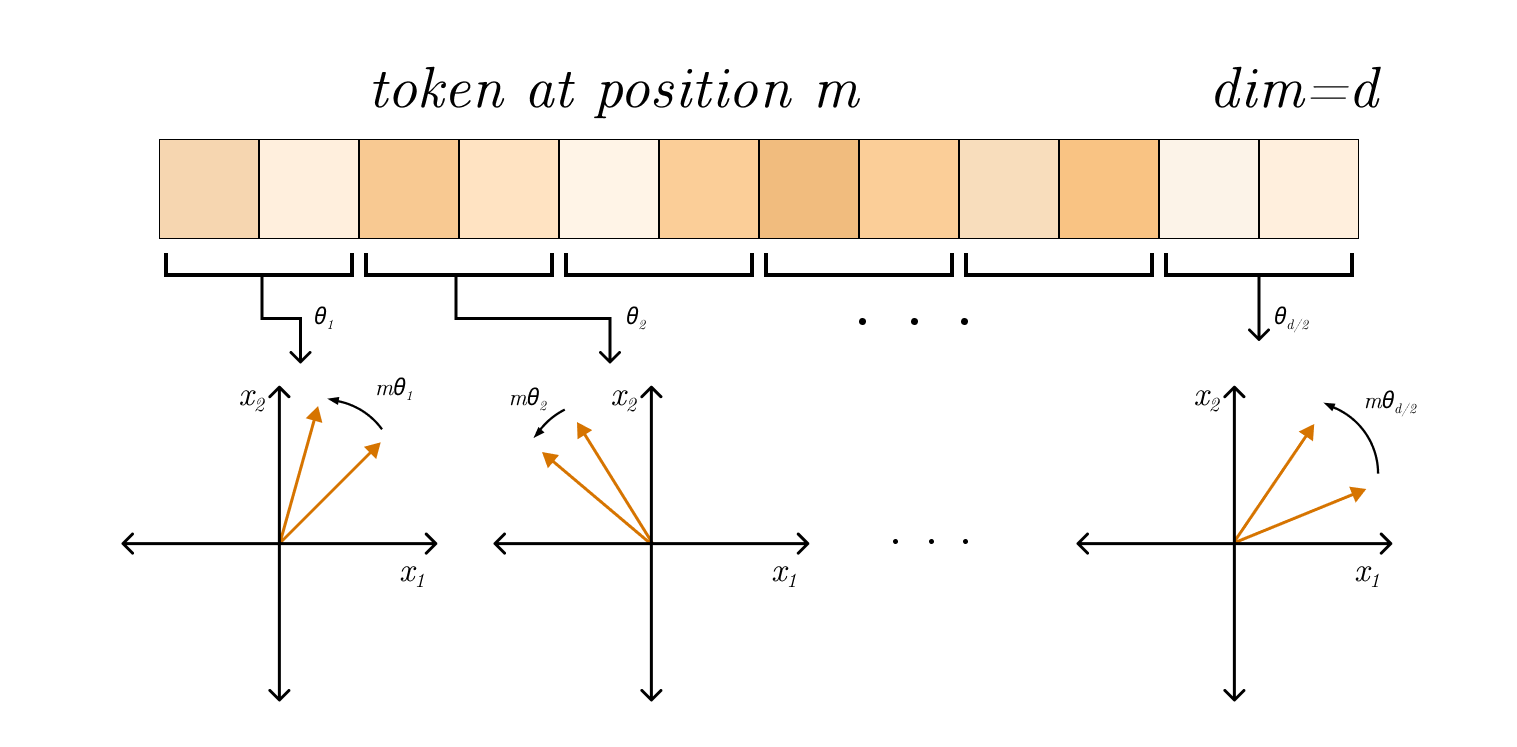
An exploration of the role of positional encodings in transformer language models, including their construction and impact on model performance.
Read more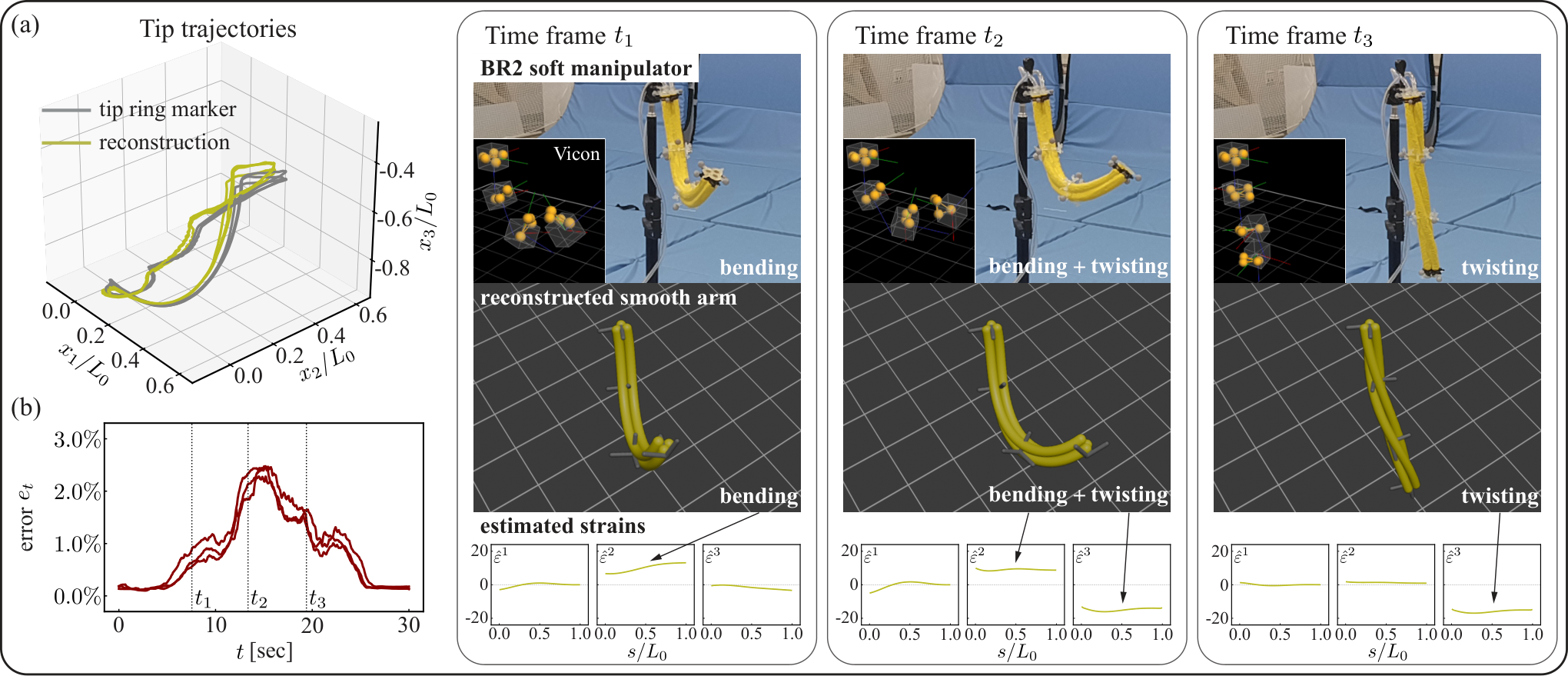
How a neural network extends mechanics-based soft-arm reconstruction, turning sparse marker poses into smooth posture and strain estimates fast enough for real-time use.
Read more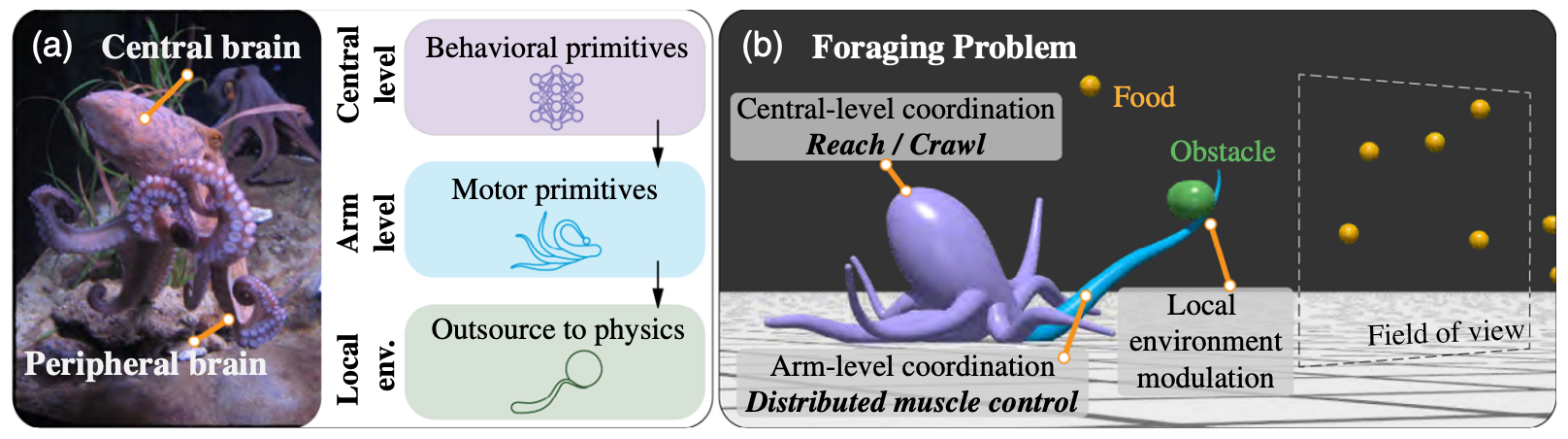
How reinforcement learning, fast energy shaping, and local contact reflexes work together to coordinate a simulated octopus searching for food.
Read more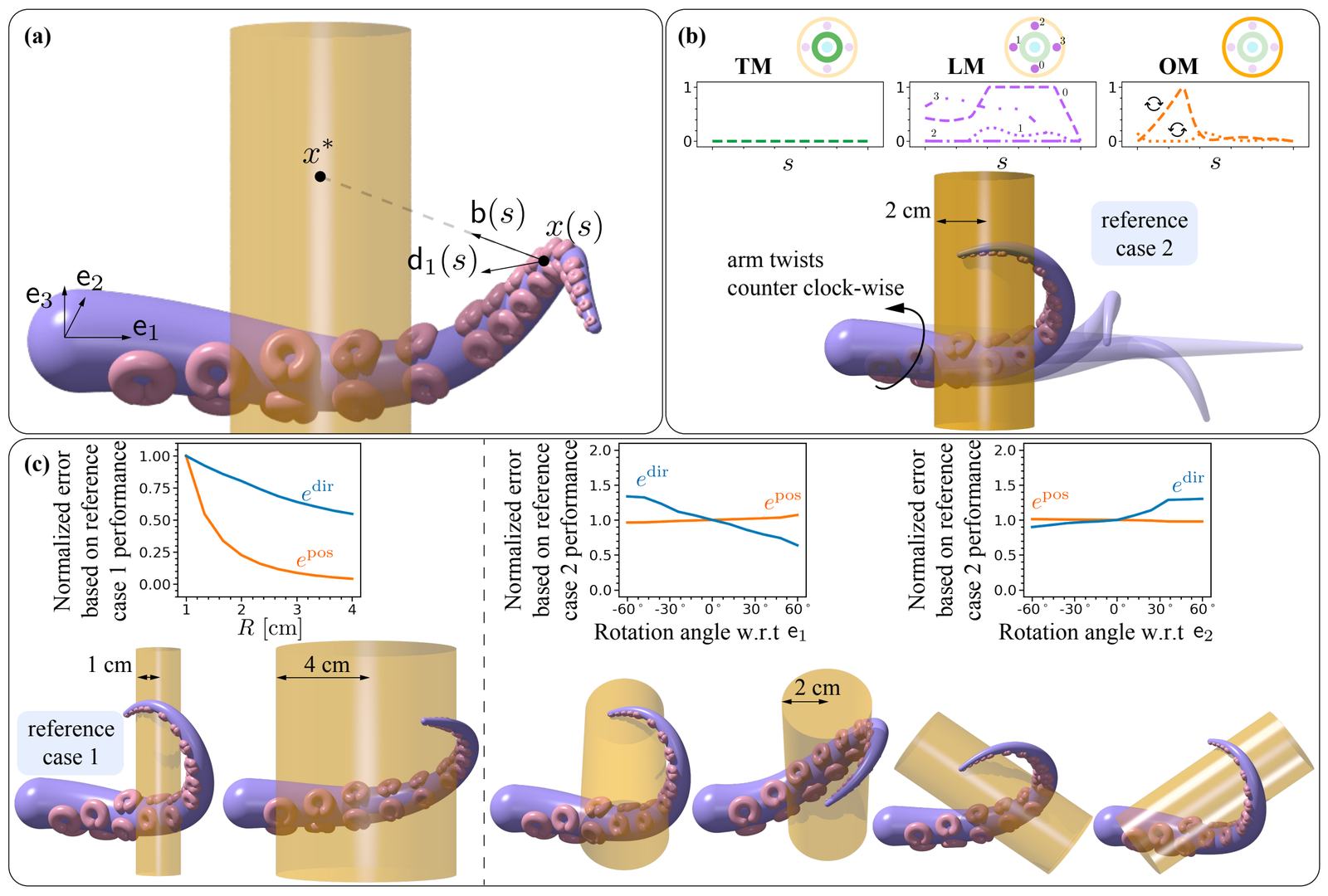
How muscle geometry and energy shaping turn reaching and grasping in three dimensions into a search for a useful equilibrium.
Read more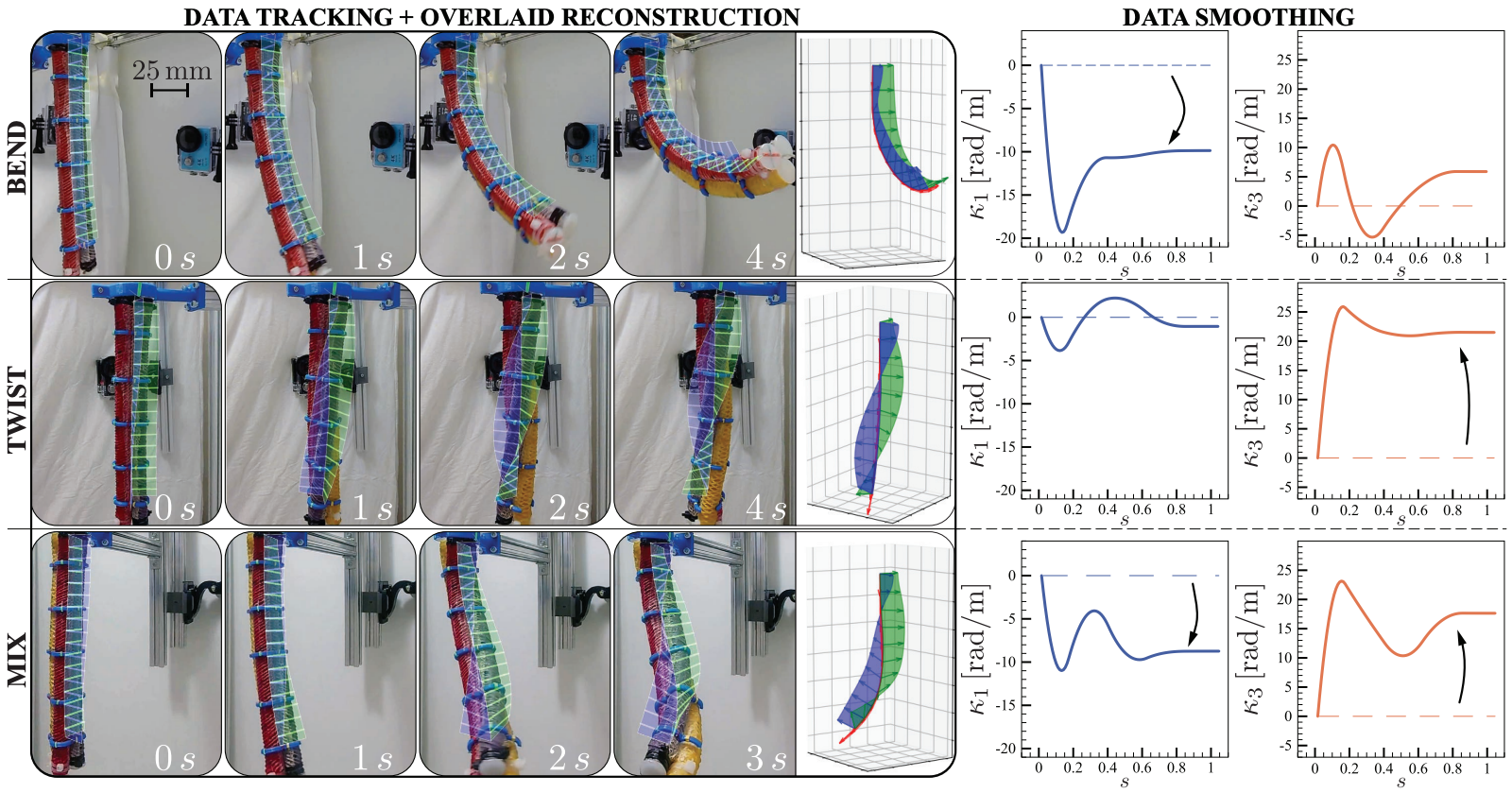
How camera measurements and Cosserat rod mechanics recover bending, twisting, stretching, and shearing along a soft robotic arm.
Read more